Family Vacations: Shared Time Is the Best Destination
Traducir artículo
¿Quieres un resumen de este artículo?
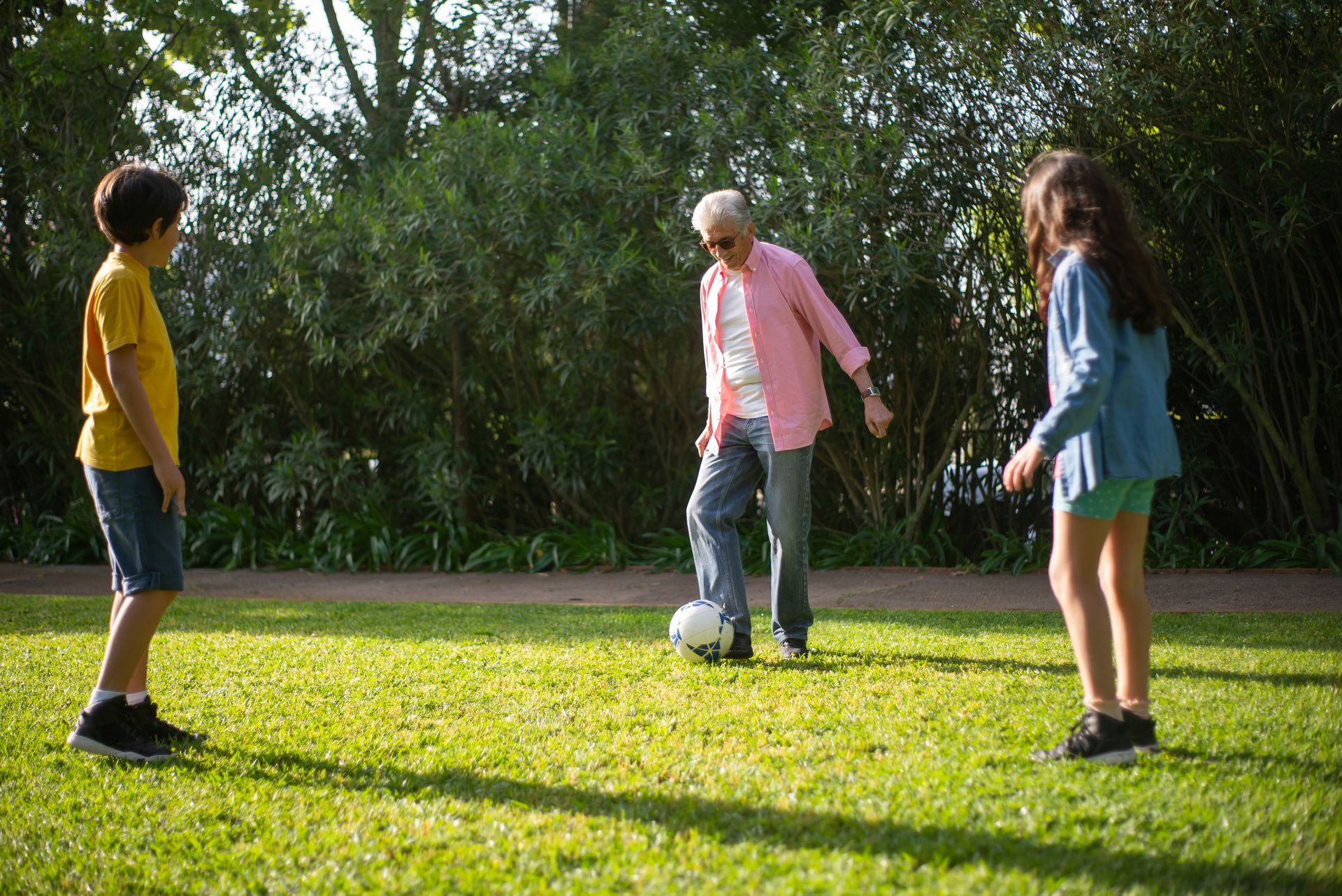
Mercedes lives in Galicia, is 65 years old, receives a decent pension, and has the savings from a lifetime of work along with a small inheritance. A couple of years ago, she finished paying off the mortgage on her large, gardened house in a quiet residential area, and she is in good health, despite some minor ailments that she manages with good habits and regular check-ups with her specialists. After learning through life experience that life can be cruel and full of unpleasant surprises, she has decided to make the most of this final stage, trying to enjoy every small moment with her partner, children, and grandchildren. And with this sense of urgency to live fully and the need to create magical moments, every year she invites her entire family on a joint vacation. Intergenerational connection in its purest form.
Mercedes’ situation is neither isolated nor unique. When health and finances allow, more and more seniors are choosing to invest part of their savings in shared experiences. And summer is the perfect time to enjoy them. “More and more families are choosing these trips not only to discover new places but also to reconnect, celebrate the present, and pay tribute to their shared history,” says Teresa Vilardell, director of a travel agency specializing in senior experiences. “Traveling across generations is a transformative experience,” she adds.
Older adults are no longer dependent people with little interest in adventure or discovery. The demographic shift, active aging, the desire to experience and live among older adults, and their increasingly better health for longer periods, have also deeply changed how they travel, according to experts. Bus tours exclusively for seniors, with set hotel and meal packages and little room for personal freedom, are becoming less popular. Older people also want to have their own spaces, visit the places that interest them personally, explore accommodation options online, try different types of restaurants, and visit sites simply because something about them caught their attention.
Moreover, shared vacations exploring new cities, beaches, countries, or villages are a delightful opportunity to connect the family. For older adults, traveling with children and grandchildren is a unique moment of reconnection, both with their family and with themselves, enjoying that feeling of fullness we get when discovering a new place in good company — when we feel connected to the world through direct experience.
Family travel offers two types of benefits: connection with one’s own support network and the enrichment of sharing time with people of different ages. In this sense, we already know that various scientific studies have confirmed the benefits of fostering intergenerational relationships in long-lived societies. Among many others, a systematic review by Fiona Campbell of Newcastle University (UK), published in 2024, concluded that such activities improve emotional well-being and reduce depressive symptoms in both young people and older adults, especially when the connection is built through shared meaningful experiences. Along the same lines, a recent study published in the Journal of Intergenerational Relationships indicates that older adults who participate in programs with teenager’s experience improvements in cognitive and emotional health, while young people develop self-esteem, empathy, and a stronger sense of personal identity.
Specifically, regarding travel, interesting references are also starting to emerge in the scientific literature. “Multigenerational family travel has become a notable trend in contemporary tourism. These types of trips — involving grandparents, parents, and children — reflect the evolution of family structures and the growing importance of shared experiences in strengthening emotional bonds,” states the abstract of the study Multigenerational Travel: A Narrative Review of Family-oriented Tourism Trends and Implications, published in the Journal of Tourism, Hospitality & Culinary Arts (Harnaini, N. H. A., Jamal, S. A., Amir, A. F., & Nordin, M. R. (2025)). By engaging in shared activities, older adults report a renewed sense of purpose and vitality, while younger individuals gain adaptability, self-confidence, and empathy through contact with other generations outside their home. Additionally, in travel settings, cross-age interactions foster authentic and special dialogue, break down prejudices, and encourage attitudes of mutual respect.
Pedro, age 79, celebrated his teenage grandson’s recent birthday by spending a weekend in nature in the Montsec Mountains (Lleida) with six close family members. While hiking along the trails, the group adjusted the routes and pace to fit everyone’s mobility — including Pedro, who wears a knee brace to help manage more difficult sections without pain. That negotiation and empathy between different abilities and preferences created a beautiful moment of support and cooperation, of mutual understanding. At night, under the stars at the Montsec Astronomical Park, near Àger, Pedro shared his knowledge of astronomy with the younger ones, feeling empowered among those who may have more strength and stamina for trekking but less life experience and wisdom.
In a world that often moves too fast and separates people by age without looking back, travel, getaways, or even small intergenerational vacations offer moments of union and enriching coexistence. Beyond destinations and photos, what lasts is the feeling of having inhabited time together, with intention, with the explicit will to care for and listen to each other. For those who have lived long enough to know that summers are not endless, giving time to family is not a whim — it is a form of legacy. In each intergenerational journey, families not only rest or have fun — they build memory and belonging.
¿Quieres que te recomendemos más artículos en base a tus lecturas anteriores?