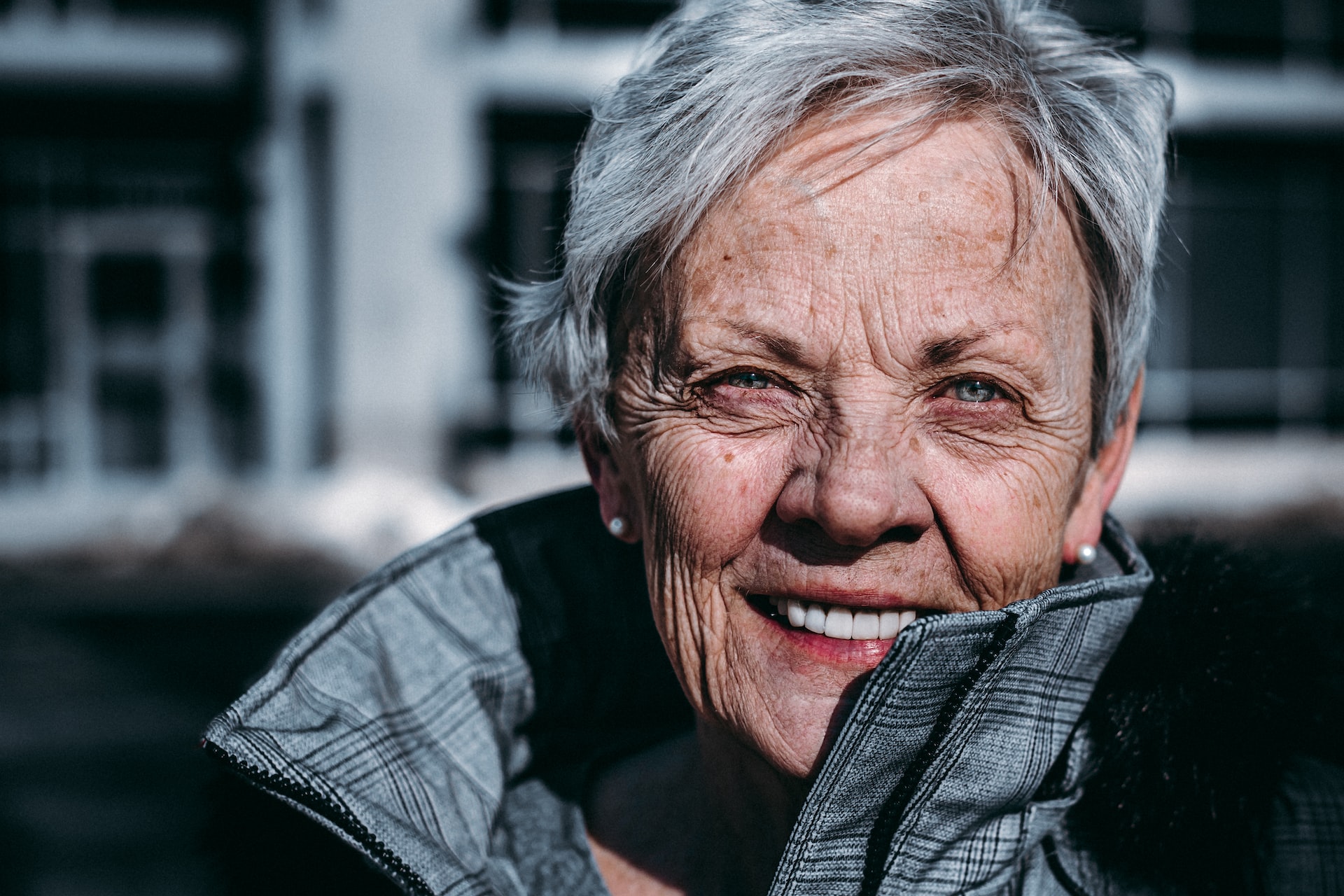
We are still picturing longevity through last‑century images: Change the narrative to change the way we see it
Traducir artículo
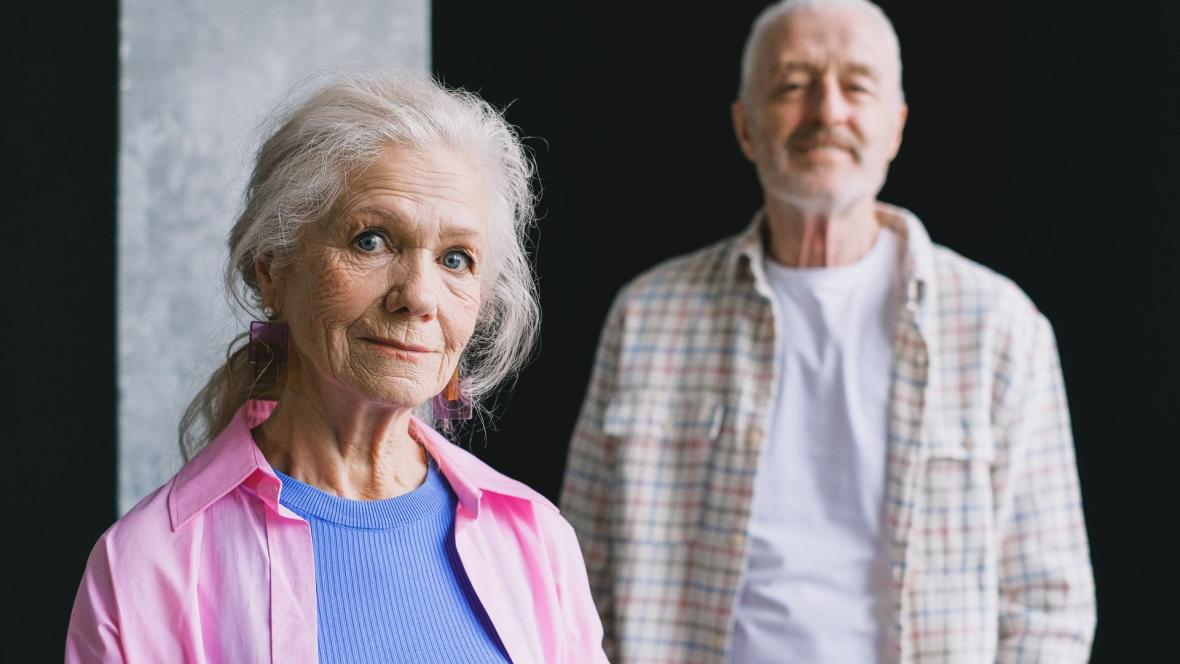
¿Quieres un resumen de este artículo?
At what moment do we learn what it means to grow older?
It usually doesn’t happen all at once. No one sits us down one day to explain it. We learn it gradually. In the films we watch as children, in family conversations, in the news, in the ads that appear between one programme and the next. Even in birthday celebrations, when we start hearing phrases like “you’re too old for that now” or “it’s normal, it comes with age”.
Each of those stories leaves a small mark. And together, they end up building a collective imaginary about what old age is supposed to be. The problem is that this imaginary no longer always matches reality.
We live more years than any generation before us. Someone turning 65 today may have two or even three decades of life ahead. Many continue working, start new projects, look after grandchildren, volunteer, study languages, travel, practise sports or discover hobbies they never had time to explore before. Yet much of the storytelling we consume still speaks of old age as if it were the beginning of the end. Perhaps that is one of the great cultural challenges of the 21st century.
We don’t just need to adapt our health systems, our cities or our public policies to an increasingly long-lived society. We also need to update the stories we use to explain what it means to live more years. Because narratives are never neutral.
The stories we hear shape the expectations we build about our own future. If, for decades, we associate ageing with disappearing, depending on others or no longer contributing, we end up believing that this will be our fate. If, on the contrary, we begin to portray longevity as a complex, diverse and possibility-filled stage, we expand the horizon of what we believe is possible for ourselves.
It’s not about painting a perfect old age. It would be a mistake to replace a negative stereotype with an excessively optimistic one. Ageing involves losses, changes, uncertainties and also fragility. But it also means experience, discernment, freedom, relationships, time to choose and, in many cases, a different and more conscious way of being in the world.
Reality never fits into a single narrative. That’s why it matters so much to ask ourselves what stories we are telling today.
When a film turns an older person into a secondary character whose only function is to be a grandparent or a patient, it is transmitting an idea about ageing. When a series shows youth only as a synonym for beauty, success or desire, it is doing the same. And when an advertising campaign dares to present an older person as the protagonist of their own life, it’s not just selling a product: it’s expanding our way of imagining the future.
Because the images we see every day end up becoming the mental album through which we imagine our own lives. And that construction matters more than we think.
One day, we will all inhabit the stories we are writing today about longevity.
Perhaps the great revolution of our time lies in giving new meaning to those years. In stopping asking only how long we will live and starting to ask how we want to live, how we want to see ourselves and how we want to be seen.
As a journalist, I’ve spent years interviewing people who challenge many of the prejudices we still hold about age. Scientists, artists, doctors, philosophers, athletes and anonymous citizens who have taught me that there is no single way to grow older. As a researcher, that same question has accompanied me until it became a line of inquiry: understanding how the stories we build about longevity influence the way we imagine it.
And the more I listen, the more convinced I am of one idea. Longevity doesn’t begin when we reach a certain age. It begins much earlier. It begins the day we decide to change the story we tell ourselves about what it means to grow older.
¿Quieres que te recomendemos más artículos en base a tus lecturas anteriores?