
Living longer, living with purpose: another geography of well-being is possible
Traducir artículo
¿Quieres un resumen de este artículo?
Aging in areas marked by depopulation is not an anomaly. It is, in many cases, the most silent and steadfast way of sustaining collective life.
And it can also be—with public determination and social recognition—one of the keys to rethinking future well-being.
Where the map turns gray… but life resists and reinvents itself
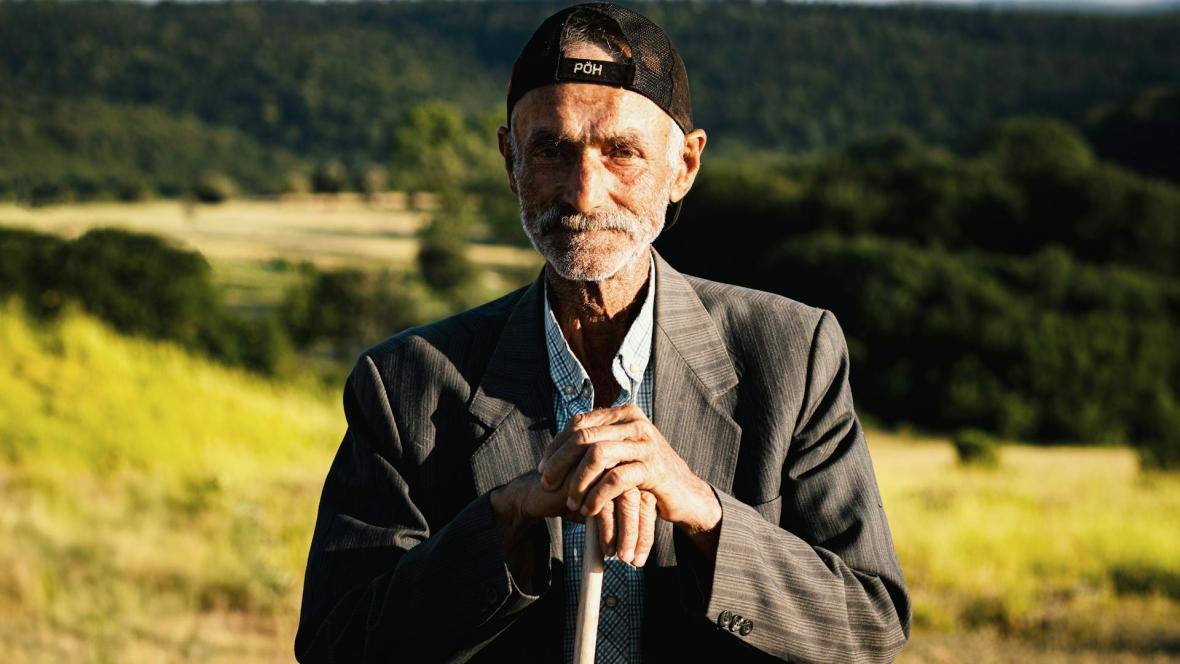
On demographic maps, rural territories often appear shaded in gray: low density, aging population, less visible economic dynamics. But behind those flat colors are real lives. Older people who have always lived in the same village, the same house, with the same neighbors.
People who, without grand speeches, are leading active and meaningful longevity.
Rooted longevity: when time is nurtured through proximity
The longevity revolution is not exclusive to big cities. It also lives in these territories that have learned to care for time with calm, with connection, with presence.
In many small municipalities, older adults already represent 50%—or more—of the population.
Living and aging in these places offers clear advantages: clean air, less noise, more stable relationships, shared identity, connection with nature.
But these qualities coexist with unresolved structural challenges: fewer health services, limited transportation, scarce cultural offerings, and a growing disconnection from decision-making spaces.
There is no lack of roots. What’s missing is support.
And that’s why, if we want this rooted longevity to thrive, admiring it is not enough: we must sustain it. With policies that understand the value of closeness and with a national model that doesn’t measure vitality only by density.
Relational solitude or logistical challenge: rethinking bonds in a positive way
In rural areas, loneliness is not always abandonment or emotional isolation.
In fact, what often remains is precisely what’s essential: human bonds, shared memory, a sense of belonging.
What may fail, however, is the practical support needed to sustain a full life: easy access to healthcare, the ability to move independently, the possibility of participating in social life without barriers.
It’s not emotional loneliness. It’s functional disconnection. And that’s where public policy must act: not to replace those bonds, but to reinforce them with infrastructures and services that make them viable over time.
Because those living in these villages today are not waiting to be rescued. They’ve spent decades sustaining everyday life: caring, working, farming, passing down knowledge and community values.
They don’t need condescension or heroics. They need the State to recognize and support that effort decisively.
Doing so is not a concession. It’s an investment in real well-being, in social cohesion, in territorial sustainability.
Neither romanticizing nor resigning
These places don’t need to be idealized—but they must not be ignored either. They are not relics of the past, nor frozen postcards. They are territories that continue to sustain life, relationships, and community. And they can be—if heard, if invested in, if chosen—exemplary spaces for meaningful longevity.
Because it’s not about going back to an old model but about recognizing the current value of what endures: proximity, mutual care, a slower rhythm of life.
But for that potential to become real, nostalgia is not enough: we must reconnect the physical map with the social map, ensure proximity services, and guarantee rights where lives already exist.
Policies that arrive… and stay
We need public policies that follow territorial logic—not just urban logic. Policies guided by proximity, equity, and local participation.
It’s not enough to deliver resources. We must co-design with territories, not for them. And we must stop seeing rural older adults as passive recipients of aid and start seeing them as key actors in building sustainable longevity-centered communities.
Some regions are already trying: decentralized care models, telemedicine, flexible transport, mobile libraries, intergenerational gathering spaces. Community-based initiatives that activate networks, recover spaces, and strengthen daily life.
A territorial perspective for fair longevity
The longevity revolution cannot be designed only from major urban centers. It must also be envisioned from other maps: more dispersed, quieter, but equally vital.
Fair longevity requires territories to be integrated into national planning—not as the periphery, but as central pulses of the present and future.
Because if the right to age well isn’t guaranteed everywhere, it’s not a full right: it’s a geographic privilege.
We’re talking about living territories, full of history, shared knowledge, and future projects.
Recognizing their value is not just about fairness. It’s a strategic opportunity: to reconnect generations, recover community time, and imagine possible futures where life is already unfolding.
Aging in the place where one has always lived should not be an obstacle. Nor should returning to it be an unlikely privilege. It should be a dignified, supported, possible option.
Because Territories of Well-Being are not invented. They are recognized. Cared for. Multiplied.
What would you do to ensure that villages remain places where living longer also means living better?
¿Quieres que te recomendemos más artículos en base a tus lecturas anteriores?