
Living Longer Where Fewer Live: Longevity and Meaning in Rural Areas
Traducir artículo
¿Quieres un resumen de este artículo?
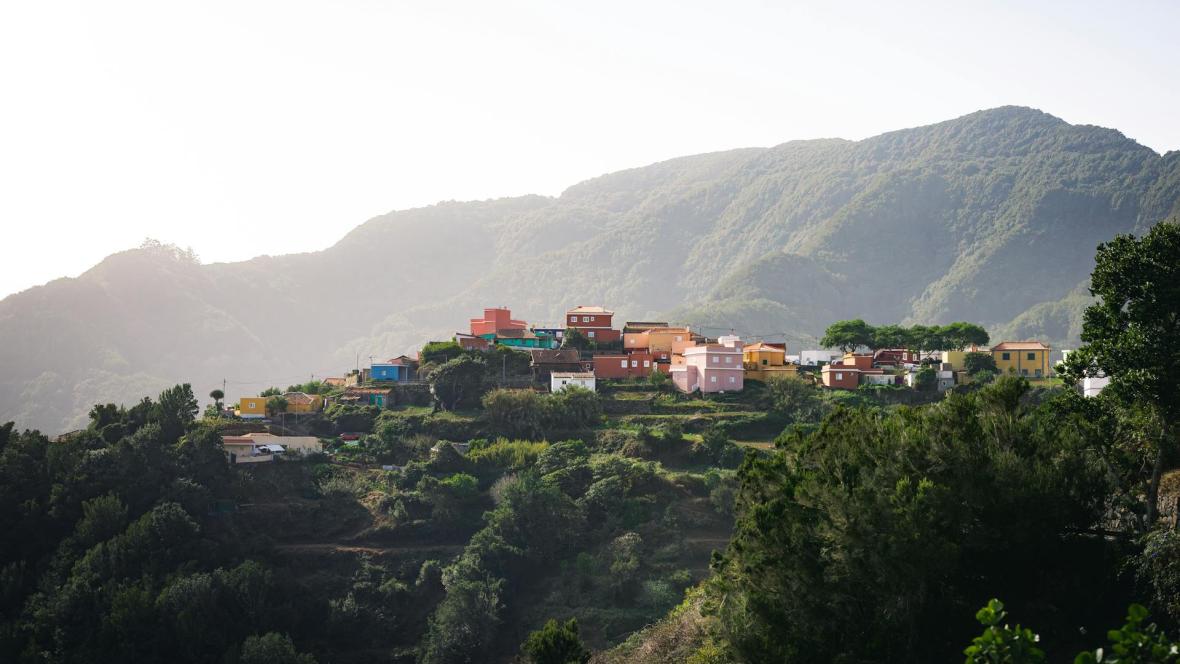
Where fewer live, people also live longer. For decades, many left the countryside in search of a future in the cities. Today, perhaps it is rural areas that hold some of the keys to aging — and living — with meaning.
What does a territory’s longevity tell us?
For years, people have spoken of the “emptied Spain” to describe the rural exodus. But behind those maps with fewer dots, there is not only loss — there is life that persists. And it doesn’t just persist… it ages. Older adults are now the majority in thousands of villages and rural areas that, far from being demographic ruins, are full of memory, care, and shared time.
It’s true: in rural areas there is less access to services, greater distances, and often more structural vulnerability. But there are also stronger bonds, less unwanted loneliness, gentler rhythms, closer contact with nature, and a sense — almost extinct in many cities — of belonging.
And that has consequences. In many of these places, life expectancy isn’t lower: it’s higher. Paradoxically, the least populated areas often become the longest-lived.
Rural is not an exception: it’s a reference
Perhaps it’s time to stop seeing rural life as an anomaly that needs fixing. If people live longer in these environments — often with greater autonomy and less medicalization — it’s not rare: it’s a reality that challenges assumptions.
Studies on aging and health show how elements such as meaningful daily activity, neighborly proximity, contact with natural environments, and continuity in place of living all contribute to aging well. In villages, these conditions still exist — though increasingly fragile.
Rural longevity isn’t just a fact: it’s a form of heritage. Cultural, human, vital. And it’s also a contribution to current debates about the future of wellbeing.
What does “living well” mean to those who stayed?
In public policy, rural areas often appear as problems to be solved: depopulation, infrastructure gaps, risk of exclusion. But rarely do we start with the essential question: how do the people who live — and age — in rural areas define the good life?
For many older people, living well doesn’t mean accumulating goods or instant access to everything. It means staying in their home. Still greeting the baker by name. Not losing their ability to decide.
There’s a deep — though often invisible — dignity in these lives rooted in land, learned trades, familiarity. There are forms of knowledge not taught in any university, which have produced generations of long-lived people without gyms or complicated prescriptions.
Caring for what cares for us
If we want rural longevity to be longevity with rights, we must look at it differently. It’s not enough to bring services to where there are few users: we need to rethink the models. Invest in proximity, not scale. Support adaptive, community-based, flexible structures.
It’s also urgent to recognize the role of older people as stewards of the land. They haven’t just lived there: they’ve sustained life there. They grow gardens, care for animals, build networks. Their knowledge of the land is strategic. Preserving their ability to keep living where they chose is a matter of justice… and collective wisdom.
A life with meaning… for all
Rethinking longevity through the lens of rural life isn’t nostalgic — it’s a future-facing act. It makes us ask what we consider essential, what wellbeing means, what rhythm we want for our old age.
Maybe rural life doesn’t just preserve older people. Maybe it preserves — despite its tensions and shortcomings — some of the keys to imagining a more human old age: less fragmented, more connected; less rushed, more meaningful.
For decades, people left rural areas in search of opportunities that seemed only possible in cities. Today, perhaps it’s time to see these same territories not as something left behind, but as a valuable — and deeply contemporary — alternative for living, and aging, with meaning.
Where would you like to grow old — and why?
¿Quieres que te recomendemos más artículos en base a tus lecturas anteriores?