Leave the house as an inheritance or live better now? A shift in priorities driven by new longevity
Traducir artículo
¿Quieres un resumen de este artículo?
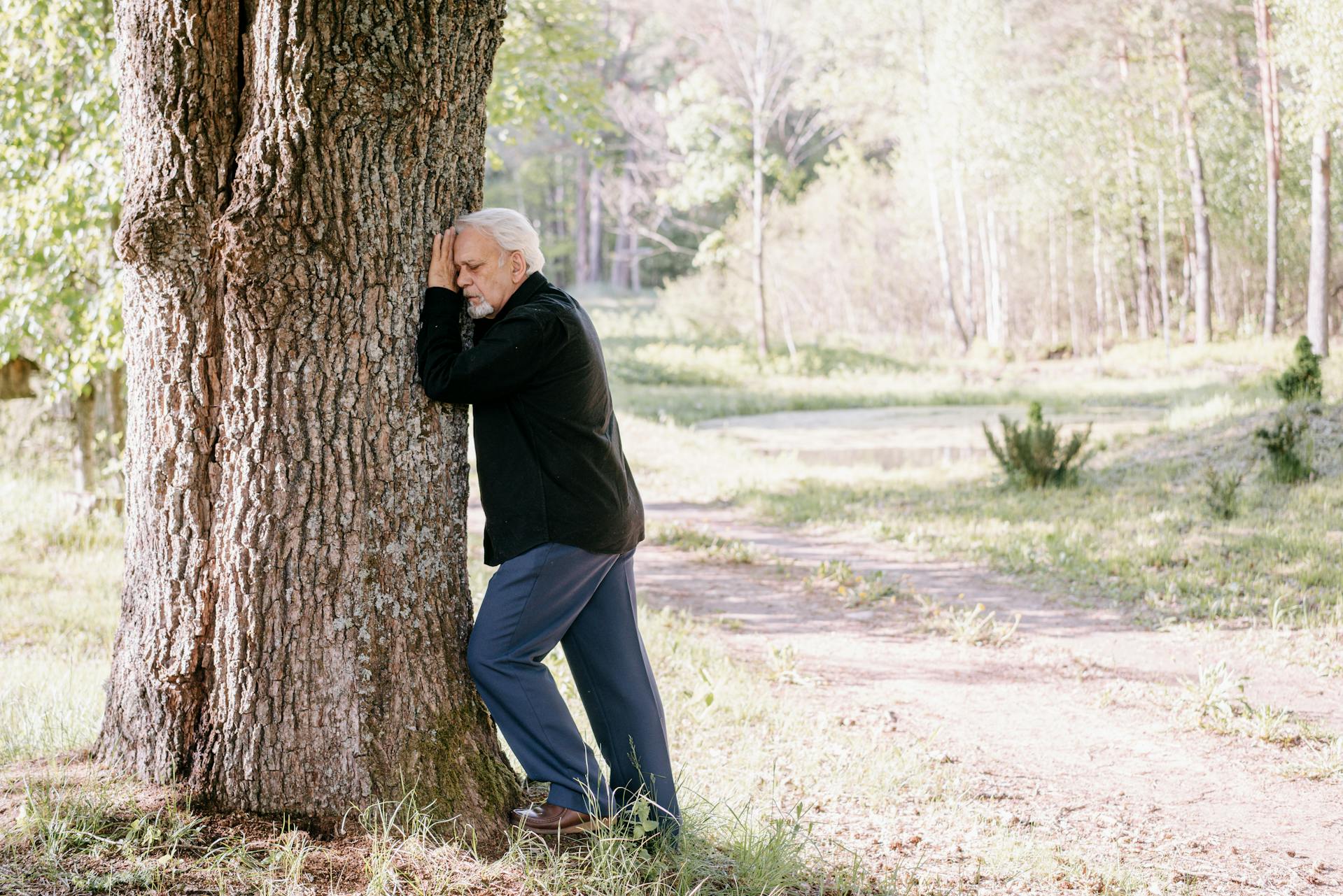
“I don’t want to give up comfort and a full life just to be able to leave an inheritance to my children.” This sentence, heard with increasing frequency, neatly sums up a quiet shift that is beginning to take hold among many older adults. For decades in Spain, leaving an apartment to one’s children was almost a moral mandate—a mix of life achievement, family security, and intergenerational responsibility. Owning a home—and being able to pass it on—was the goal.
Today, however, that order is beginning to change. The desire to help children has not disappeared—Spain remains a deeply family-oriented country—but new questions are emerging: to what extent does it make sense to tighten one’s belt for years in order to leave an inheritance if that means giving up living well now? What happens when retirement is no longer a short phase, but a long stage of life with many different phases?
“My retirement pension is good but limited. Now—after selling the bare ownership of my home—I practically have two pensions and can live the way I did when I was working. It’s not a life of great luxuries, but it does allow me not to give up travel or plans with friends, which I want to keep doing because I feel good, young, and very active,” Roberto explained in a recent report devoted to this real-estate formula for obtaining returns on one’s assets during one’s lifetime. Like others, he has given up leaving his home as an inheritance and chosen instead to use it to gain quality of life in the present.
For a long time, the home was a promise for the future. Today it is also beginning to be a tool for the present. And behind this decision there is neither frivolity nor selfishness, but rather a profound change in how old age and one’s own life story are understood. More and more older adults are expressing priorities different from those of previous generations: not becoming a burden on their families, living peacefully until the end, enjoying the first years after retirement—when health still holds up—and ensuring sufficient resources to cope with care needs when autonomy begins to decline. These are not just individual stories. The data are beginning to confirm it.
According to the 5th Senior Consumer Barometer of the Ageingnomics Research Center at Fundación MAPFRE, only 34% of homeowners over the age of 55 prioritize leaving their home as an inheritance to children or relatives, while 35% do not rule out using it to maintain or improve their own quality of life if needed. In addition, 26% would be willing to sell or mortgage their home as long as they could continue using it for life, which highlights a transformation in the symbolic and functional role of housing. “For seniors, housing is no longer just a legacy for future generations, but a tool that allows them to gain flexibility and economic security in retirement. Increasingly, they seek to make active use of their assets, exploring financial alternatives without losing the peace of mind of continuing to enjoy their home,” says Juan Fernández Palacios, director of the Ageingnomics Research Center.
This does not mean that older adults have stopped thinking about younger generations. In fact, inheritances and donations continue to grow. But several factors now coexist that help explain this adjustment in priorities.
The first has to do with new longevity. We live longer, and with that come more potential years of care that need to be financed. This implies a greater need for liquidity, planning, and foresight. Pensions remain in place and, for now, are protected, but uncertainty about the future is becoming increasingly explicit. Calculating available savings and real post-retirement income becomes an essential task.
The second factor is structural. Housing concentrates a very large share of wealth in Spain, especially among older adults. Among those over 74, 84% own their home, according to the Spanish Central Bank’s Survey of Household Finances (EFF 2022). For many people, the home is the main—if not the only—major asset available to finance the needs of maturity and old age. In other words, real-estate assets, one’s own home, represent a form of protection against an uncertain future.
There is also a third element, perhaps less quantifiable but equally important: a shift in mindset. The generation that supported families, worked for decades in often difficult circumstances, and took on the care of children and grandchildren is beginning to set boundaries. It is beginning to claim the right to enjoy retirement. Expressions such as “now it’s my turn” or “I want to live my final stage of life” are appearing more naturally. This is not an act of selfishness, but a form of fairness after a lifetime of effort, as we have explained in other articles on this blog, Miradas de la Longevidad.
The reality is that data on donations and housing transactions still do not fully reflect this trend revealed by surveys. Spain’s General Council of Notaries reports that housing donations increased from 32,623 in 2017 to 54,735 in 2024, and that inherited homes rose from 335,888 to 403,854 over the same period. In other words, practice has not yet fully caught up with the intentions expressed by many people in their mid-50s or early 60s when asked about their future plans.
But facts are one thing, and the symbolic place of inheritance is another. For a growing segment of the senior population—still among the younger cohorts within that group—the home is beginning to be a way to enjoy the present more fully and to better secure the immediate future. And all of this, once again, has to do with how we are learning to age.
¿Quieres que te recomendemos más artículos en base a tus lecturas anteriores?