
Actividades
Antonio López Díaz: When the Image Becomes Awareness
Traducir artículo
¿Quieres un resumen de este artículo?
Jury Member – 6th Edition of the CENIE Photography Contest
There are photographers who capture not only what happens, but also what hurts, what resists, and what can still change. Antonio López Díaz belongs to that lineage of visual storytellers who use the camera as a tool for transformation, combining art, journalism, and commitment.
A photographer, filmmaker, and freelance journalist born in Madrid in 1972, his work focuses on contemporary, environmental, and human rights issues, always from a deeply human perspective. His career spans territories ranging from photojournalism to documentary film, from editorial portraiture to social denunciation — all linked by the same thread: the dignity of people and the urgent need to protect the world we inhabit.
Telling Reality Through Emotion
Over the years, Antonio López has collaborated with media outlets, institutions, and NGOs dedicated to the defense of human rights and the environment. His work combines the journalist’s rigorous observation with the artist’s sensitivity. In each of his photographs there is a tension between beauty and wound, between what is shown and what is revealed.
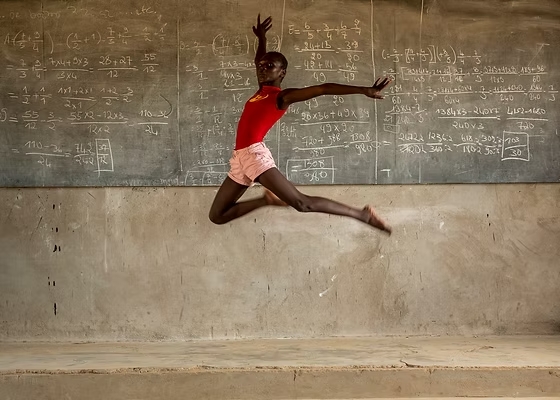
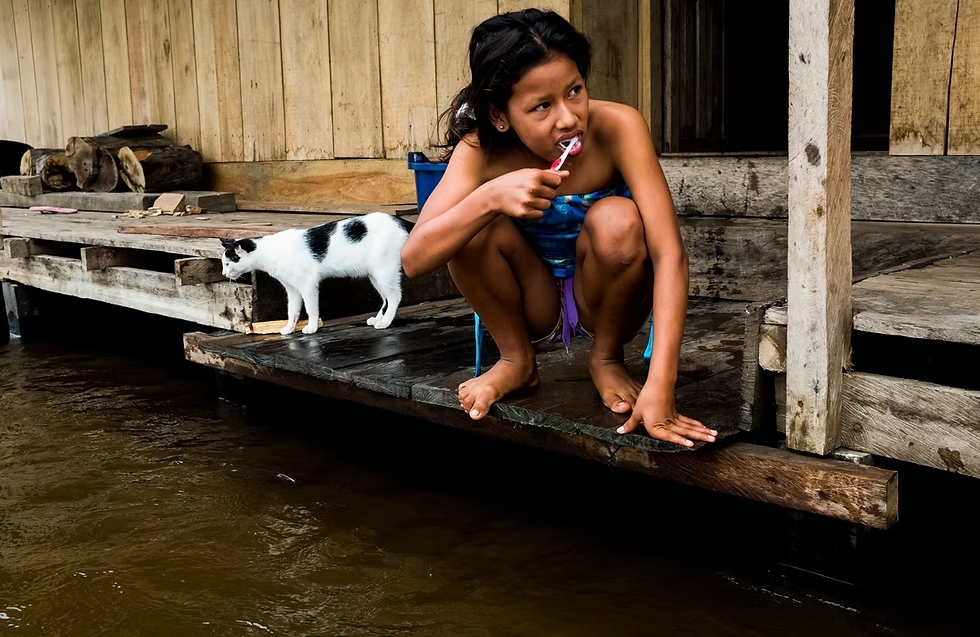
His documentaries and photographic series explore stories that, though local, resonate universally: the conflicts between tradition and modernity, the loss of territory, the impact of climate change, or the ability of rural communities to resist oblivion.
Among his most acclaimed works are the audiovisual projects La ira del pueblo (The Wrath of the People), made with César Alonso, and Las hijas de Santa Teresa (The Daughters of Saint Teresa), screened at the prestigious Visa pour l’Image Festival in Perpignan. In them, the camera is not a distant witness but a companion — one that accompanies, asks, and listens.
Awards That Confirm a Singular Voice
The work of Antonio López Díaz has received multiple recognitions at national and international festivals. In 2015, he won an award at the Rural Short Film Festival and participated in the official section of the Cortada Film Festival. A year later, he received the Award of the 5th Daroca International Film Festival for the documentary Jarramplas and was first finalist in the We Art Water contest organized by the Roca Foundation.
His documentary Cuninico, Where the Forest Turns Black, about the environmental impact of an oil spill in the Peruvian Amazon, was a finalist at the Nómadas Perú 2016 documentary festival and the Santander Photo projections competition, and also received an honorable mention at Scan OFF Tarragona for the audiovisual work Oral Qora.
In his projects, water, earth, and silenced voices acquire a poetic strength that transforms denunciation into narrative. López Díaz does not portray suffering from a distance but through connection — that of someone who looks with respect and seeks to understand before judging.
Photography and Teaching: A Shared Commitment
In addition to his work as a photographer and filmmaker, Antonio López Díaz teaches at the EFTI International Center of Photography and Cinema, where he shares his experience with new generations of creators. His teaching work is an extension of his ethical vision: to teach how to look is, for him, to teach how to care.
In his classes, he emphasizes a fundamental idea: photography is not neutral. Every decision — framing, light, distance — is a way of taking a stand before the world. And that makes photographic practice an act of responsibility.
His inclusion on the jury of the 6th Edition of the CENIE Photography Contest is an opportunity to reaffirm that social and emotional dimension of the image. In a contest that invites reflection on longevity, López Díaz contributes the vision of someone who understands photography as active memory — as an awareness that endures.
An Invitation to Look with Purpose
The deadline to submit photographs is November 30. Participating in the contest means joining a conversation that unites art, ethics, and humanity. The presence of Antonio López Díaz on the jury ensures a thoughtful and sensitive reading of the works, from the perspective of someone who has narrated the world through stories that matter.
Because, as his work demonstrates, an image may not change the world, but it can change the way we look at it.
The CENIE jury, composed of leading international figures in photography, culture, and innovation, will evaluate the works with the same sensitivity that defines its mission: to look at life not only to portray it but to understand it.
Find out more about his work here.
Click on the link to participate.
¿Quieres que te recomendemos más artículos en base a tus lecturas anteriores?