
Actividades
IBERLONGEVA: the Iberian response to the challenge of extending healthy life
Traducir artículo
¿Quieres un resumen de este artículo?
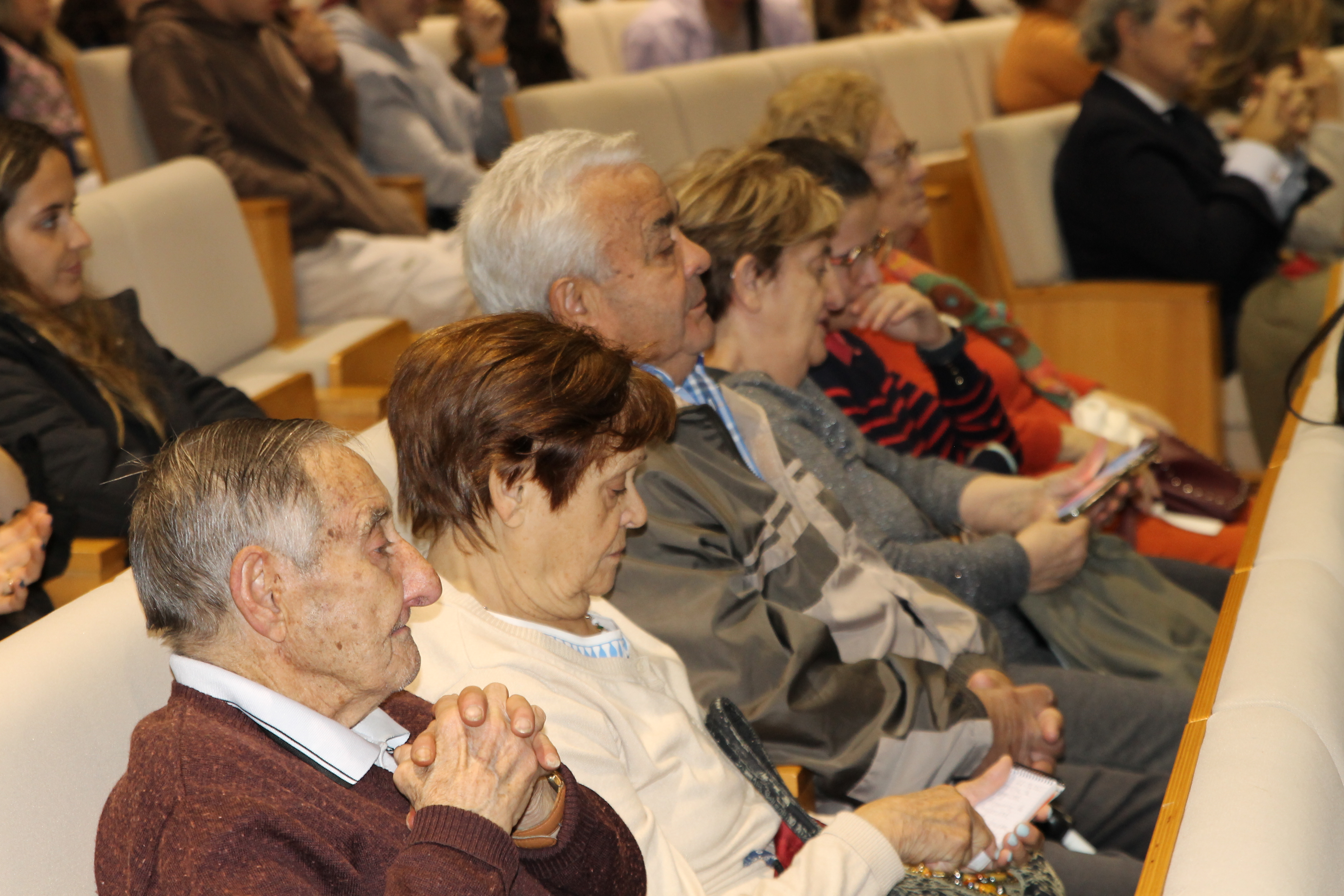
Spain and Portugal share one of the greatest demographic challenges of the 21st century: living longer than ever before, yet with a growing gap between total life expectancy and the years lived in good health.
According to Eurostat (2022) data, life expectancy reaches 83.3 years in Spain and 81.6 years in Portugal, while healthy life expectancy—the years lived without significant limitations—stands at around 61 years in Spain and 59.7 years in Portugal. More than two decades of life are therefore spent with some degree of frailty or partial loss of autonomy.
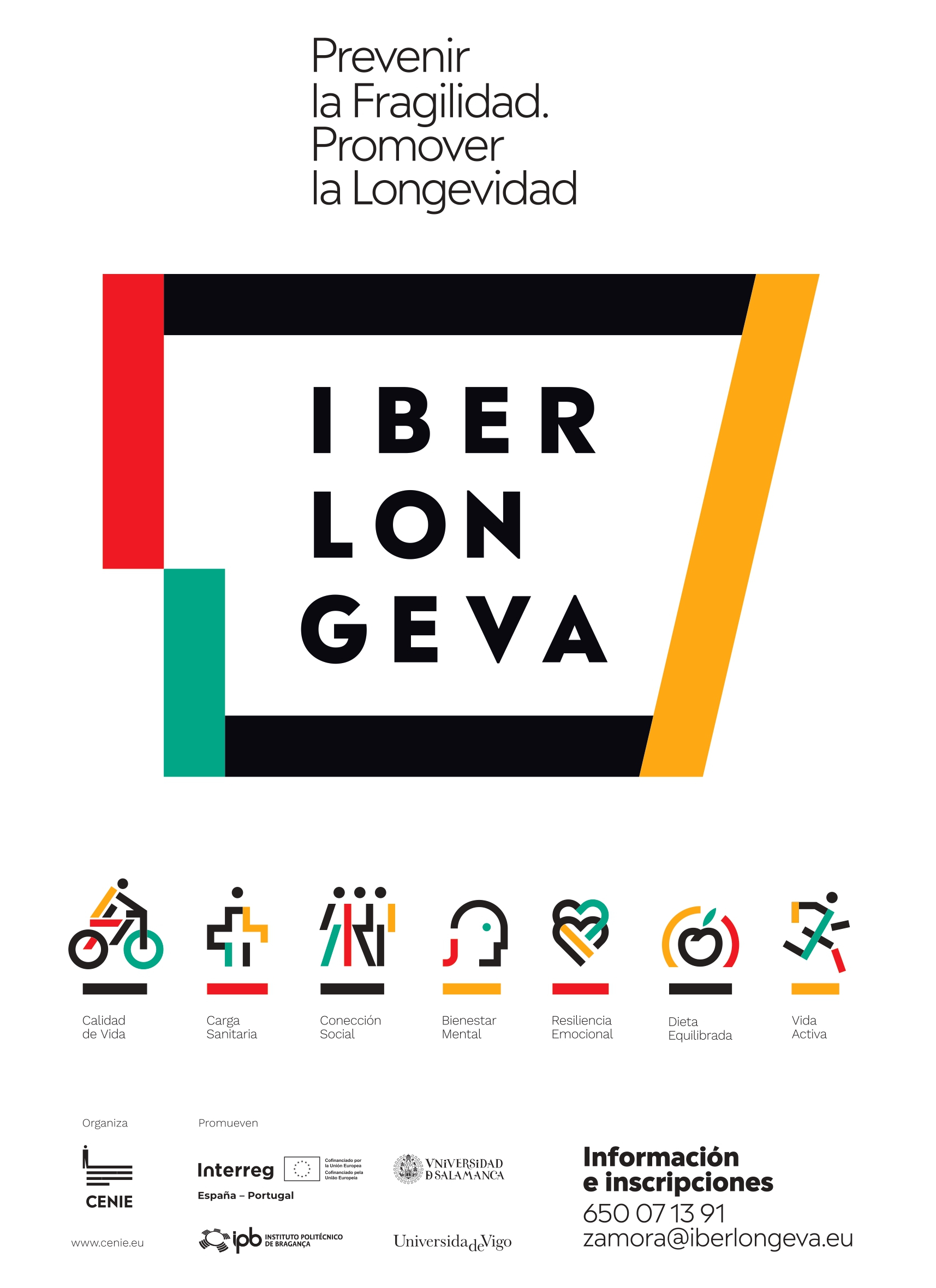
IBERLONGEVA was created as a scientific, social, and human response from both countries to this shared challenge.
It is a cross-border project that unites science, prevention, and community to narrow the gap between longevity and well-being, promoting a new culture of preventive health and social participation.
Coordinated by the International Center on Aging (CENIE) and promoted by the University of Salamanca, the University of Vigo, and the Polytechnic Institute of Bragança, IBERLONGEVA is part of the Interreg Spain–Portugal Program (POCTEP 2021–2027), funded by the European Union.
The project begins its first phase of implementation in Zamora before expanding to Ourense and Bragança, involving a sample of more than one thousand participants over the age of 60.
Reducing the gap between living longer and living well
The Iberian Peninsula faces a paradox: life expectancy has reached unprecedented levels, yet a significant portion of those years are spent with functional limitations or loss of autonomy.
This gap—between longevity and well-being—has become the true barometer of developed societies.
Iberlongeva was conceived precisely to reduce that distance, combining biomedical and social research with applied knowledge for prevention.
Its purpose is not only to describe how we age but to understand why some people age better than others and what factors make it possible to maintain health for longer periods of time.
The initiative is structured into two complementary modules:
- a social module, focused on support networks, living conditions, and quality of relationships;
-
and a health module, which examines participants’ physical, cognitive, emotional, and nutritional functions.
Based on this data, the project will identify early markers of frailty—that intermediate stage between healthy aging and dependency—recognized by the World Health Organization as a key indicator of active aging.
Science with a community soul
Iberlongeva combines the methodological rigor of scientific research with a profoundly human approach.
It uses internationally validated tools—standardized questionnaires, functional tests, biological and social indicators—and applies statistical and algorithmic methodologies to detect invisible signals that precede the loss of autonomy.
The project is aligned with the priorities of the Decade of Healthy Aging 2021–2030, promoted by the World Health Organization, and with the European Healthy Life Years (HLY) strategy, which seeks to shorten the gap between life expectancy and healthy life.
With this approach, Iberlongeva strengthens the integration between science and local action, turning prevention into a shared public good.
All collected data will be integrated into the future Observatory for Active and Meaningful Longevity (OLAS), which will transform the results into useful knowledge for designing public policies and preventive health programs.
The Observatory—operating under the National Security Framework and European data space regulations—will serve as a collective intelligence instrument, capable of guiding evidence-based decision-making.
According to Celia Fernández-Carro, professor at the UNED and co-director of the social module, “Projects like IBERLONGEVA innovate by recognizing the decisive role of social factors in health and longevity, and by transforming science into tangible well-being for citizens.”
An Iberian alliance for a healthier future
IBERLONGEVA is supported by a consortium that combines scientific leadership with territorial commitment: CENIE, University of Salamanca, University of Vigo, Polytechnic Institute of Bragança, CTIC Foundation, Estudio de Comunicación, and Estrada Design, together with the University Nursing Schools of Zamora and Ourense and the School of Health of Bragança.
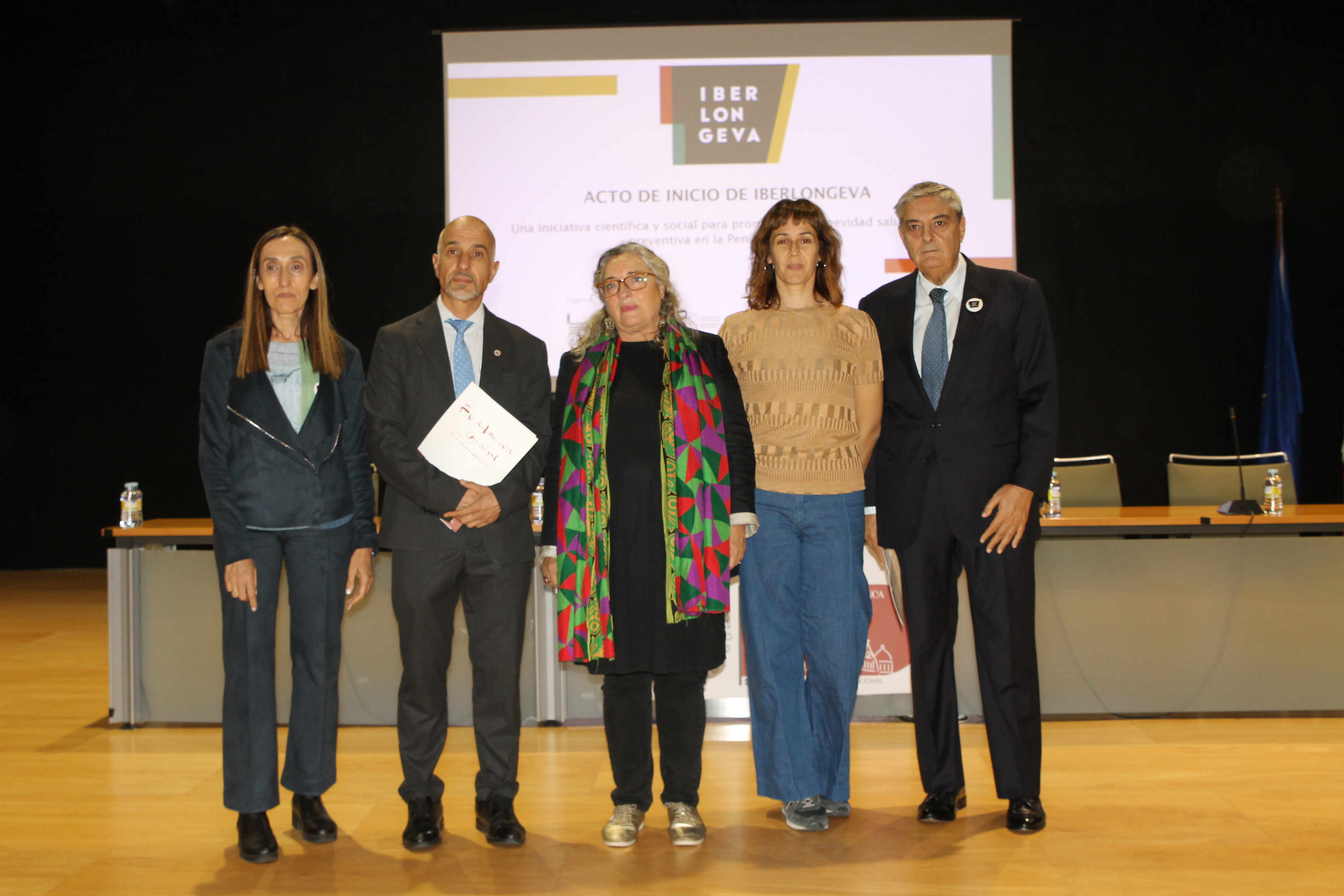
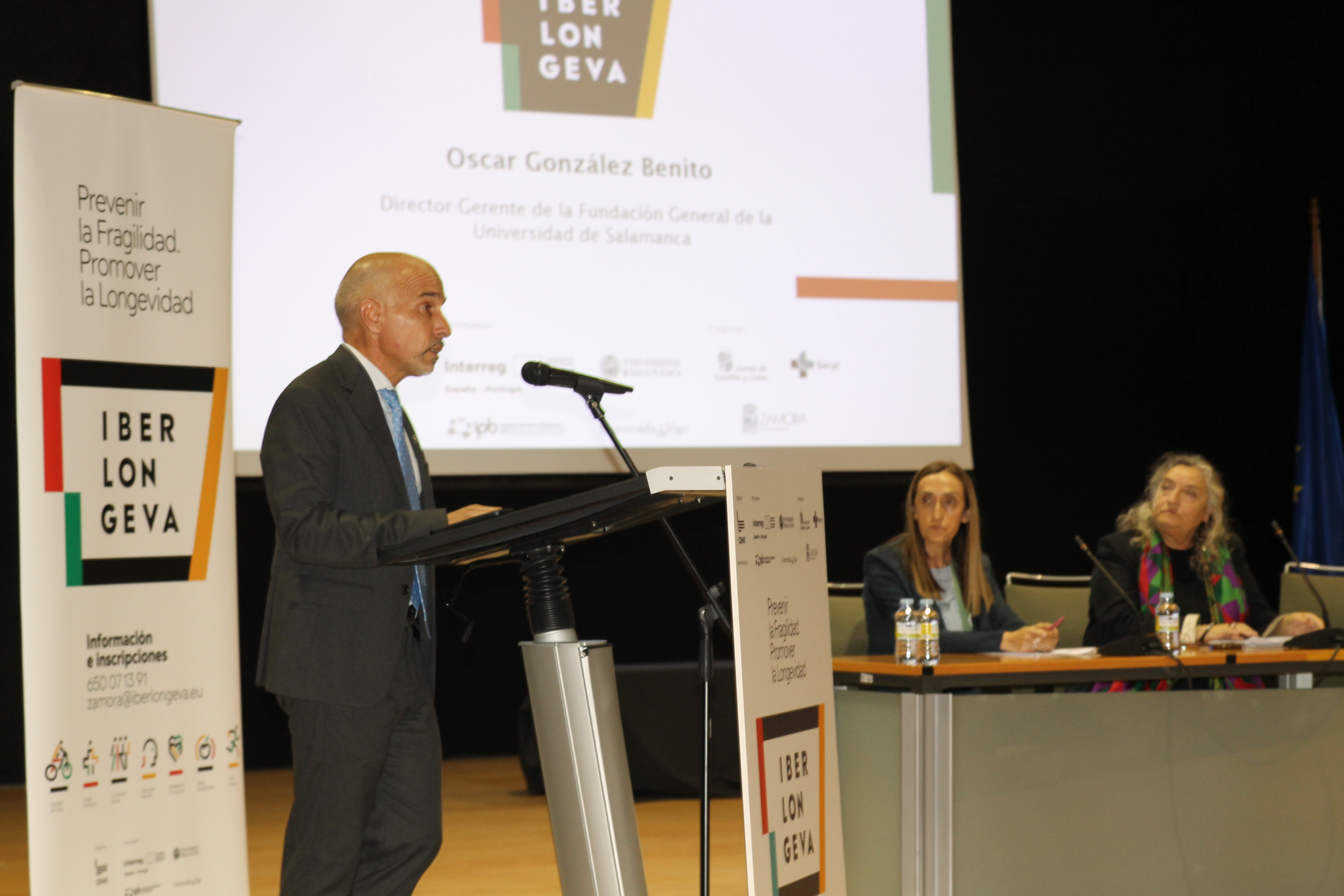
During the launch event, Óscar González Benito, Director of the General Foundation of the University of Salamanca, emphasized that the data generated across the three territories will create “a repository of experience on healthy longevity,” enabling policymakers to anticipate prevention strategies for future generations.
María José Fermoso, Director of the University Nursing School of Zamora, highlighted the project’s educational and social value, which will allow future healthcare professionals to take part in cutting-edge research and apply prevention measures in real community contexts.
Meanwhile, Auxiliadora Fernández, Councilor for Social Services, Seniors, Equality, Cooperation, and Public Health at the Zamora City Council, reaffirmed the municipality’s commitment to active well-being, stressing that “Zamora is positioning itself at the forefront of social and healthcare innovation, turning longevity into an opportunity for development for the city and its people.”
In Portugal, the scientific leadership of the Polytechnic Institute of Bragança and the School of Health brings strong expertise in community health, applied research, and territorial development.
Their participation ensures that the project’s results will have a tangible impact within the Portuguese context and will strengthen national strategies for active and healthy aging, fully aligned with the European vision.
This cooperation makes Iberlongeva a model of cross-border collaboration—an initiative that demonstrates how the alliance between science, territory, and citizenship can generate innovative solutions to the challenges of longevity.
A new ethics of time gained
Beyond its scientific scope, Iberlongeva embodies a new ethics of time: learning to inhabit the years gained with health, dignity, and purpose.
From the science of aging to the sociology of well-being, the project draws on decades of research showing that early prevention, regular physical activity, proper nutrition, and social connection can delay frailty by up to a decade.
According to Juan Martín, Director of the CENIE and Coordinator of IBERLONGEVA, “This project arises from the conviction that longevity is not a problem to be endured, but an opportunity to be understood and accompanied with science, prevention, and community.
Our goal is to learn from people’s lives in order to transform that knowledge into real well-being—because aging well is not only a personal aspiration but a collective commitment to the future.”
With this empirical foundation, Iberlongeva becomes an Iberian resonance of Europe’s effort toward sustainable longevity, where knowledge is transformed into public policy, social innovation, and improvements in daily life.
Because progress is not just about adding years—it is about ensuring that each year lived has quality, autonomy, and meaning.
From Zamora, Ourense, and Bragança, a transformation begins that unites knowledge, technology, and community.
A society that cares for those who gave it life is a society that honors itself. And IBERLONGEVA aims to be its compass: a scientific, human, and European response to turn longevity into shared well-being.
¿Quieres que te recomendemos más artículos en base a tus lecturas anteriores?