
¿Quieres un resumen de este artículo?
Jury Member – 6th Edition of the CENIE Photography Contest
There are photographers who don’t just capture images — they preserve memory.
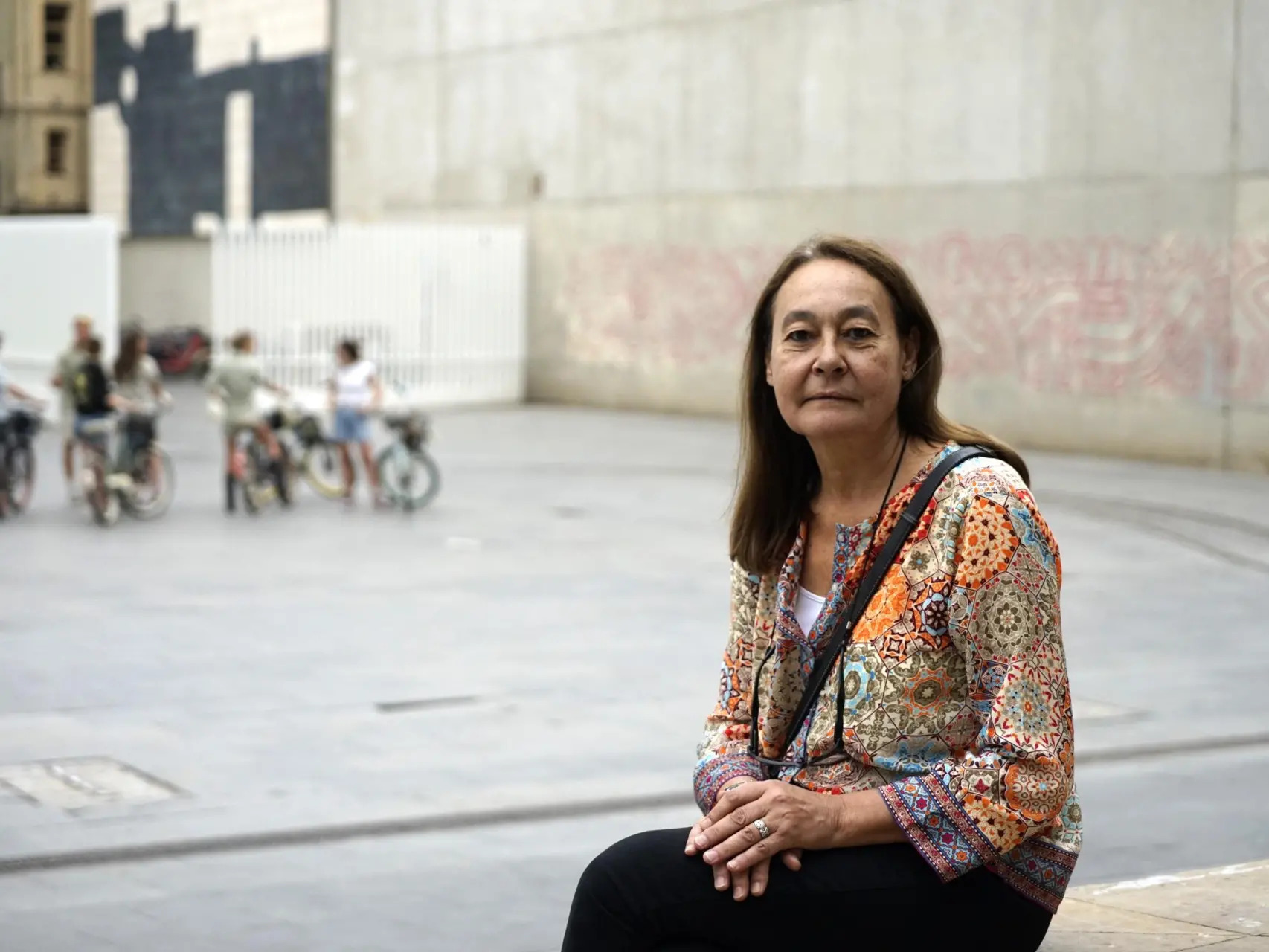
Sandra Balsells belongs to that tradition of photojournalism that understands the camera as an act of responsibility. Since the 1990s, her gaze has borne witness to some of the most intense and painful episodes of our recent history. And yet, her work does not speak only of war or destruction — it speaks, above all, of humanity.
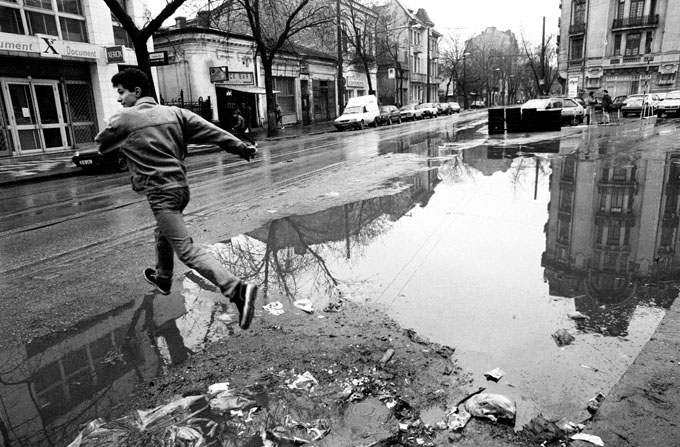
A graduate in Journalism from the Autonomous University of Barcelona, Balsells took her first professional steps in London, where she completed a postgraduate program in Photojournalism at the London College of Printing. There, she began her career as a freelance photographer, which soon led her to the Balkans — the epicenter of the disintegration of the former Yugoslavia. From 1991 until the end of 2000, she covered the main conflicts in Croatia, Bosnia-Herzegovina, Serbia, and Kosovo for international media outlets such as The Times and leading Spanish publications.
Her work during that decade placed her among the great visual narrators of the late 20th century. With sensitivity, rigor, and an extraordinary ability to be where history breaks — and begins again — her photographs compose an irreplaceable testimony of the Balkan wars and postwar period. In 2006, her coverage earned her the Ortega y Gasset Award for Best News Reporting, one of the most prestigious distinctions in Spanish-language journalism.
Telling Pain, Upholding Dignity
Sandra Balsells’s commitment goes beyond war: she has also documented life in territories such as Palestine, Israel, Mexico, Cuba, Haiti, Mozambique, and Romania. Where violence or inequality sought to erase faces, she found people; where others saw tragedy, she found a story.
Author of the book Balkan in memoriam (Blume, 2002), a visual journey through the most turbulent decade of the former Yugoslavia, and co-author of collective works such as Montreal Métropole vue par 30 grands reporters (Aux Yeux du Monde, 2000), Balsells has turned photography into a tool for social reflection. On television, she co-authored the documentaries Dying for the Truth (Channel 4, 1994) and Retratos del alma (Portraits of the Soul, TVC, 2004), which carry her committed vision into the audiovisual realm.
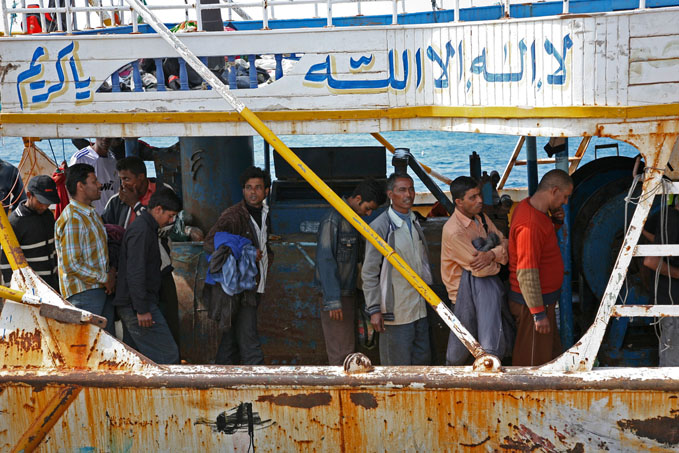
Her work has been exhibited in more than fifty solo and group shows and is part of major public and private collections. In 2007, she participated in the collective exhibition The Universal Archive, organized by the MACBA, and she has curated projects such as Latidos de un mundo convulso (Heartbeats of a Turbulent World, Lunwerg–Caja Madrid, 2007) and Desaparecidos (The Disappeared, 2011) by Gervasio Sánchez, focused on forced disappearances, simultaneously presented at MUSAC (León), CCCB (Barcelona), and La Casa Encendida (Madrid).
A Photographer Who Teaches Us to See
Since 1995, Sandra Balsells has combined her work as a photojournalist with teaching at the Ramon Llull University, where she lectures on photography and visual ethics. This dual vocation — to tell stories and to teach others to tell them — defines her career. For her, to look is also an act of learning: it implies respect, empathy, and awareness.
Her inclusion on the jury of the 6th Edition of the CENIE Photography Contest reinforces this very idea. Because if this contest invites us to reflect on longevity through the gaze, Balsells brings something essential: the conviction that every image is a form of memory, and every memory, a form of future.
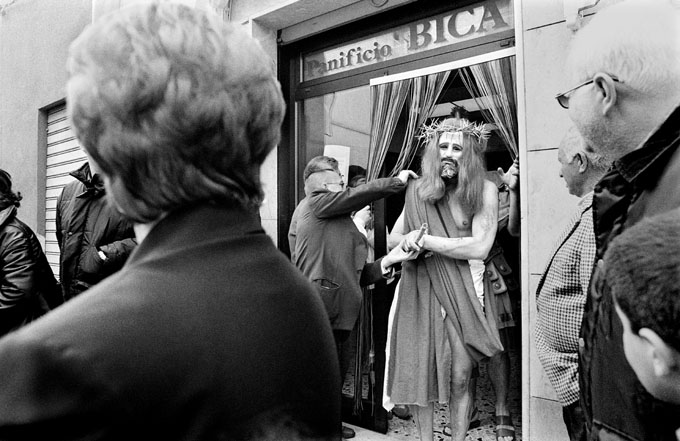
In her portraits, bodies and gestures are not only witnesses to the time lived — they are affirmations of life. Hence her deep resonance with this year’s theme — Age Does Not Define Us. The Gaze Does. — which finds in her work its most eloquent reflection.
An Invitation to Participate
The deadline to submit photographs is November 30. Participating means joining a conversation that connects generations, experiences, and visions of the world. Sandra Balsells’s presence on the jury guarantees a thoughtful, sensitive, and rigorous reading of the works, grounded in the authenticity that defines her trajectory.
Because, as her work shows, to photograph is not only to capture what happens, but to accompany what remains.
The CENIE jury, made up of major international figures in photography, invites all creators — amateur and professional alike — to contribute their gaze. In every photograph submitted, there may be a story that helps us better understand ourselves as a long-lived and diverse society.
Find out more about Sandra Balsells`s work here.
Click on the link to participate.
¿Quieres que te recomendemos más artículos en base a tus lecturas anteriores?